

Metering
Understanding HIU Heat Meters: The Heart of Modern Heat Networks
As the world moves towards more sustainable energy solutions, district heating systems are gaining traction, especially in densely populated areas where conventional heating might not be feasible or efficient. One of the key components of these modern heating networks is the Heat Interface Unit (HIU), which acts as a bridge between the centralized heat network and individual homes or businesses. On this page, we’ll explore the role of HIUs in heat networks, how they work, and the significance of HIU heat meters in ensuring accurate billing and energy management.
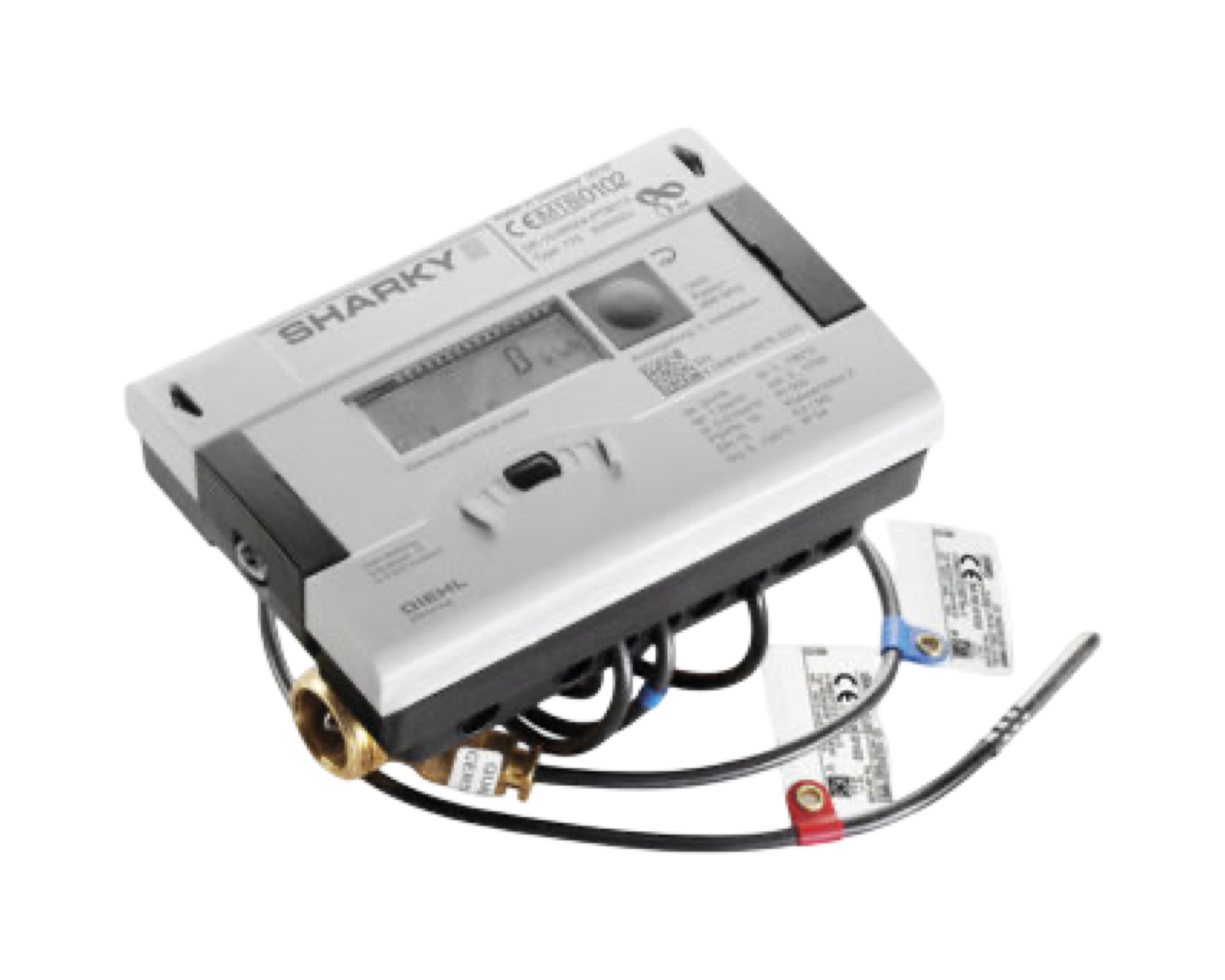
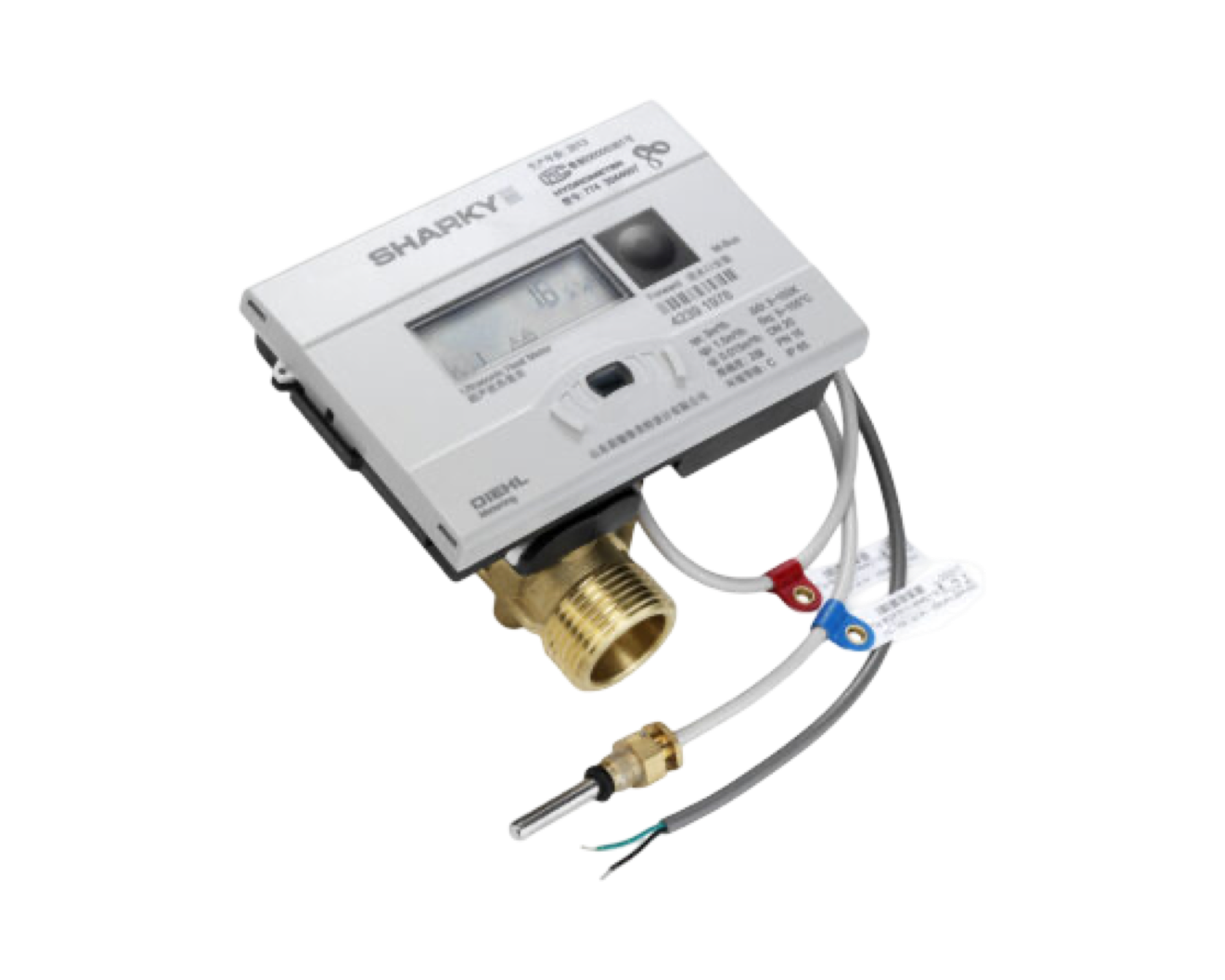
What is a HIU Heat Meter?
A HIU heat meter is a specific type of meter integrated into the Heat Interface Unit that measures the amount of thermal energy being transferred from the central heating system into the individual unit or building. These meters are crucial for:
- Monitoring and measuring heat consumption
- Providing accurate billing
- Enabling energy management and optimization
HIU heat meters typically work by measuring the temperature difference between the incoming and outgoing hot water (or heat carrier) and the flow rate of the water. This data is then used to calculate the total energy (in kilowatt-hours, kWh) consumed by the unit, which is what customers are billed for
How Does a HIU Heat Meter Work?
The operation of a HIU heat meter is based on a simple thermodynamic principle: energy is required to change the temperature of a fluid. In this case, the HIU heat meter uses temperature sensors to detect the temperature of the water coming into the building and the temperature of the water leaving the building.
-
Flow Measurement: The flow rate of the water entering the HIU is measured by a flow sensor.
-
Temperature Difference: The meter records the difference between the incoming and outgoing temperatures of the water circulating through the system.
-
Energy Calculation: By using the flow rate and temperature difference, the heat meter calculates the energy used in the system, typically in kilowatt-hours (kWh). The formula is:
Energy=Flow Rate×Specific Heat×Temperature Difference\text{Energy} = \text{Flow Rate} \times \text{Specific Heat} \times \text{Temperature Difference}
-
Data Reporting: The heat meter transmits the measured energy data to a central system, either for billing purposes or for display on a user interface (in the case of smart meters).
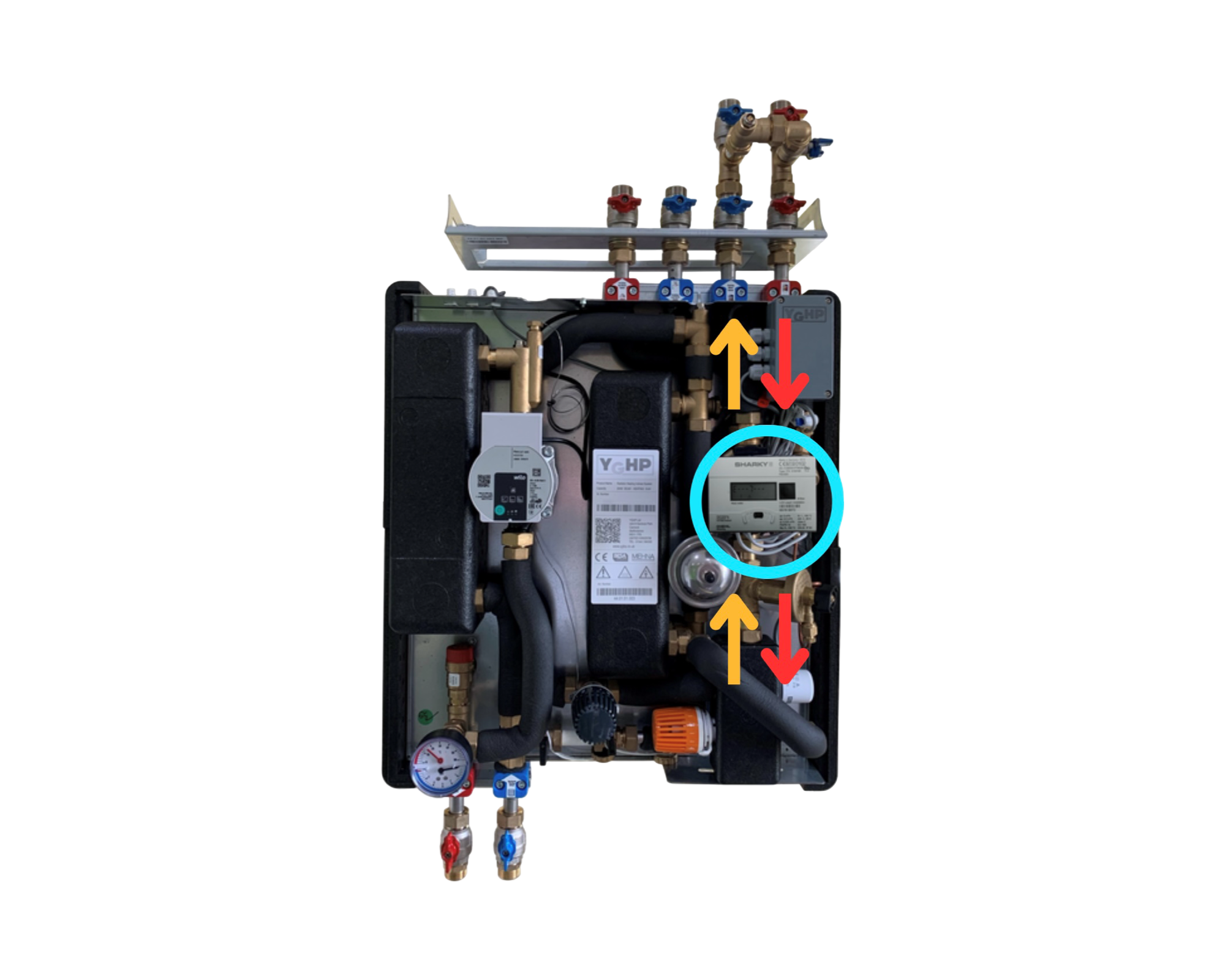

Why Are HIU Heat Meters Important?
Accurate Billing: HIU heat meters enable accurate, consumption-based billing. Since the cost of heating is based on the amount of heat a building consumes, having a heat meter ensures that customers are only charged for the energy they use, preventing overbilling or undercharging.
Energy Efficiency and Conservation: By tracking energy consumption in real-time, HIU heat meters help customers monitor and control their heating habits. This not only helps in reducing heating costs but also encourages more sustainable energy usage by making residents aware of how much energy they are consuming.
Cost Transparency: With accurate metering in place, users can see exactly how much energy they are consuming and how that translates into cost. This transparency fosters trust between heat suppliers and customers.
Optimal Heat Network Performance: HIU meters provide valuable data that heat network operators can use to monitor and optimize the performance of the entire system. The data helps identify areas of inefficiency, leakage, or issues with heat distribution, allowing operators to take corrective measures.
Regulatory Compliance: In many countries, accurate billing for heat consumption is required by law. HIU meters ensure that providers comply with these regulations, offering fair and transparent billing to consumers.