

Billing
Types of Billing Methods
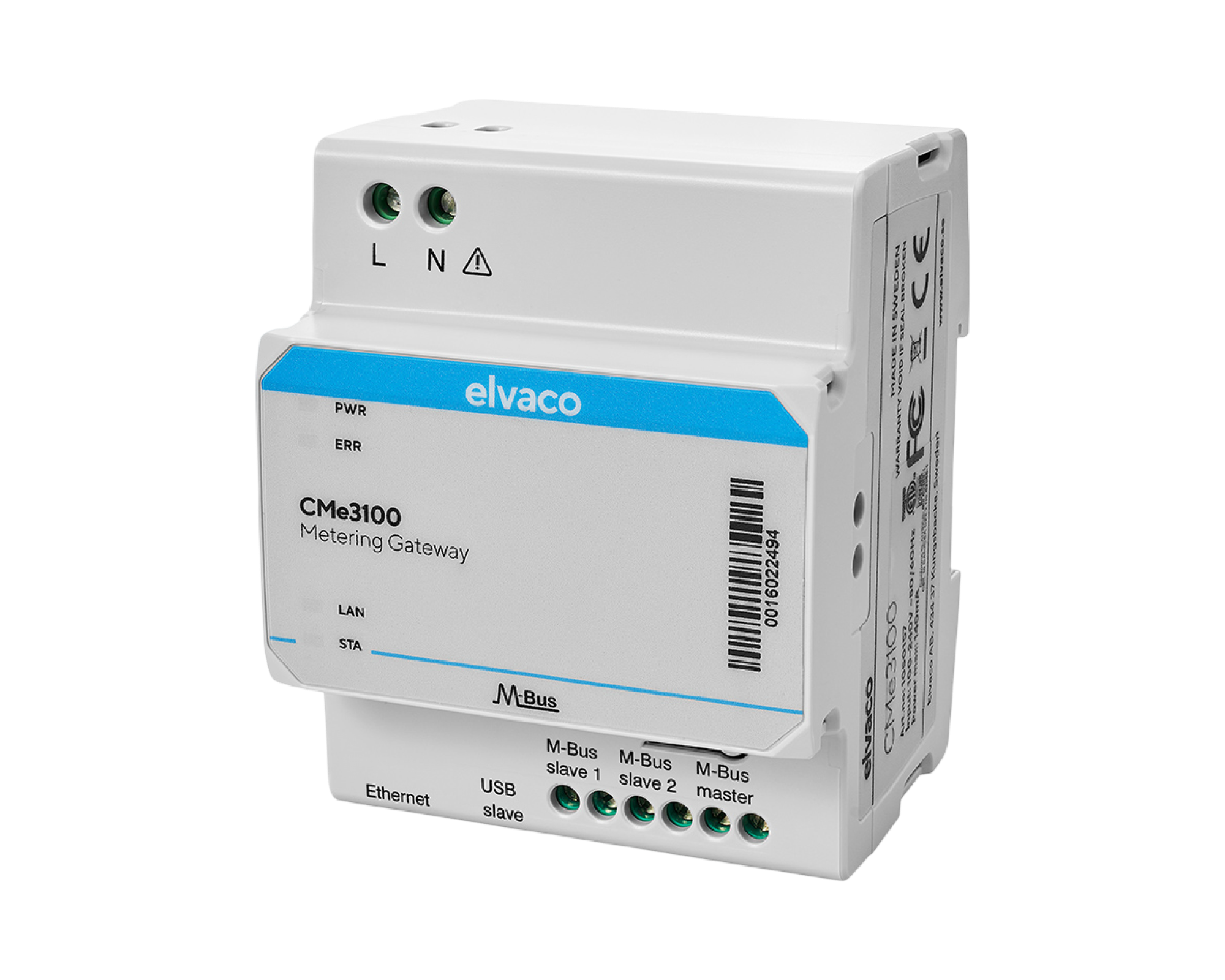
Metered Billing: Customers are charged based on the amount of energy they consume, usually measured in kilowatt-hours (kWh). Each household or business may have a heat meter installed to monitor usage. This is typically the preferred route for heat networks.
Unmetered Billing: While AOMMA do not support this option, in some cases, customers may not have a heat meter, and instead, they could be charged based on the size of their property or the type of unit (flat, house, etc.) and estimated. This can be less accurate than metered billing and may not reflect actual usage.
Flat-Rate Billing: Some systems offer flat-rate billing where a fixed charge is applied regardless of the amount of heat consumed. This is typically targeted to student accommodation.
Components of the Bill
Energy Usage: The amount of energy consumed by the household or business. In metered systems, this is calculated in kWh.
Standing Charge: A fixed charge for connection to the heat network, regardless of how much heat is consumed.
This charge typically covers maintenance, infrastructure costs and system operations.
Heat Tariffs: The rate applied to the energy consumed, often in kWh. Tariffs can be set by the network operator or governed by local regulations.
Other Fees: Some systems might include additional charges for customer service, maintenance, or environmental considerations.
AOMMA Bill: Complete transparency with no hidden costs.
Regulations and Transparency
Fairness and Transparency: In many countries, heat network operators must comply with regulations designed to protect consumers. This may include providing clear billing statements, notifying customers of any rate changes, and ensuring that energy prices are fair. UK 2025 billing and metering regulations are due to be released shortly.
Ongoing Support: Some providers offer online portals or apps for customers to track usage and monitor bills in real time.
Challenges
Disputes Over Billing: If customers are charged incorrectly or believe their energy use is being unfairly estimated, they may dispute the bill. It’s important for heat network operators to provide clear and accurate meters.
Energy Efficiency: Improving the energy efficiency of the network can help keep costs down for consumers and reduce overall consumption.
If you’re inquiring about a specific heat network billing issue (like a dispute or rate question), providing more context would help AOMMA give more tailored advice.